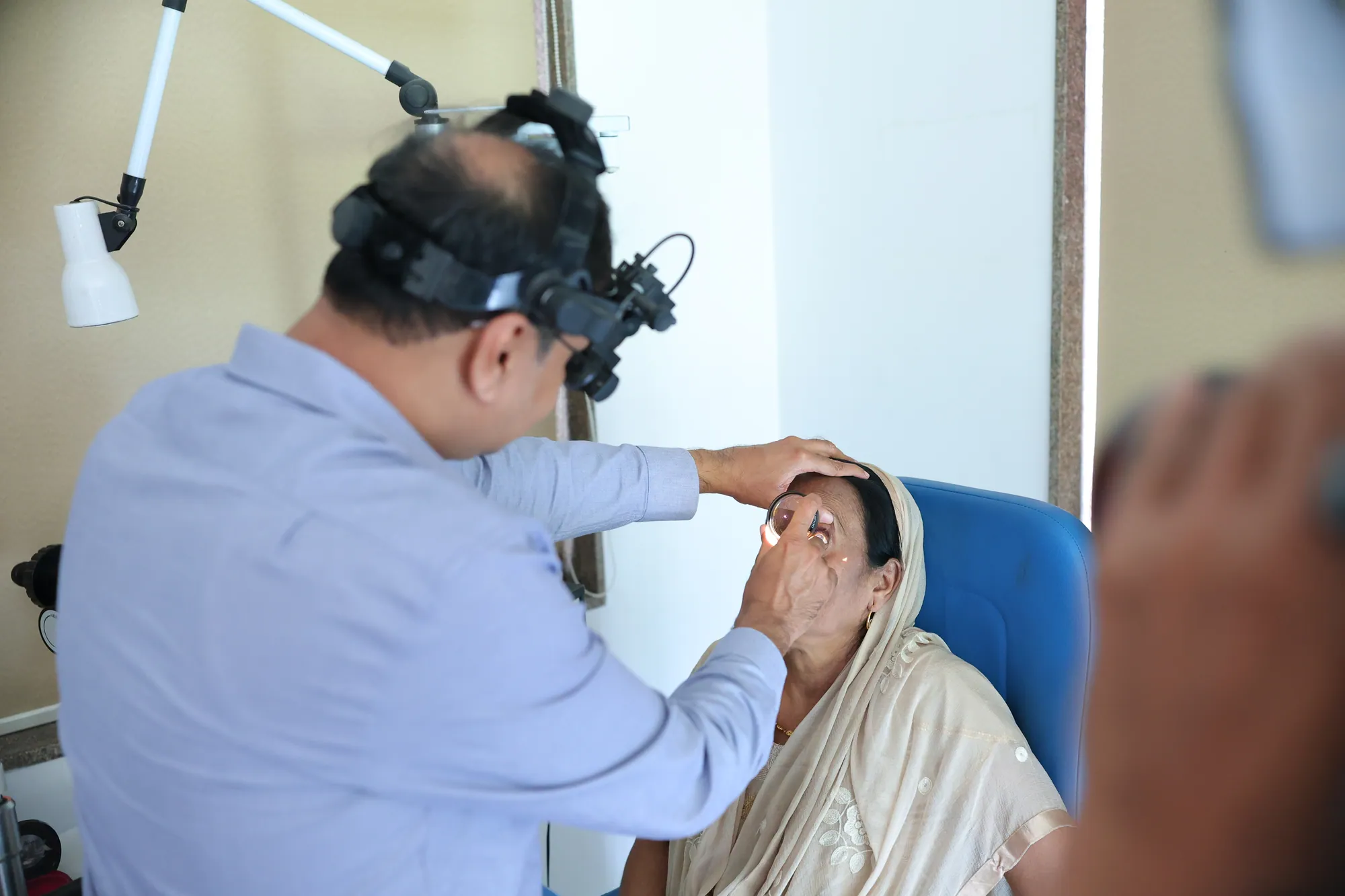
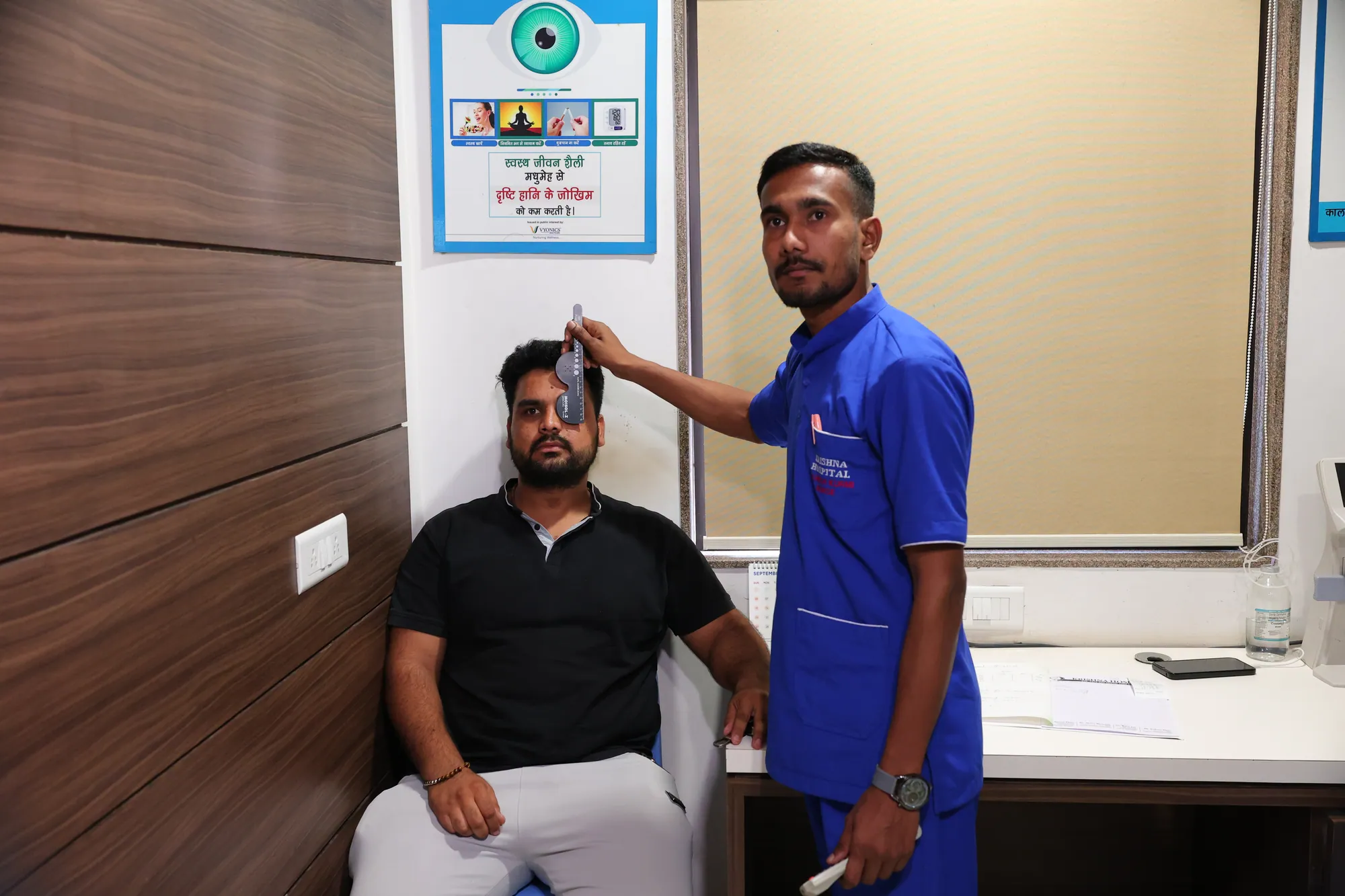
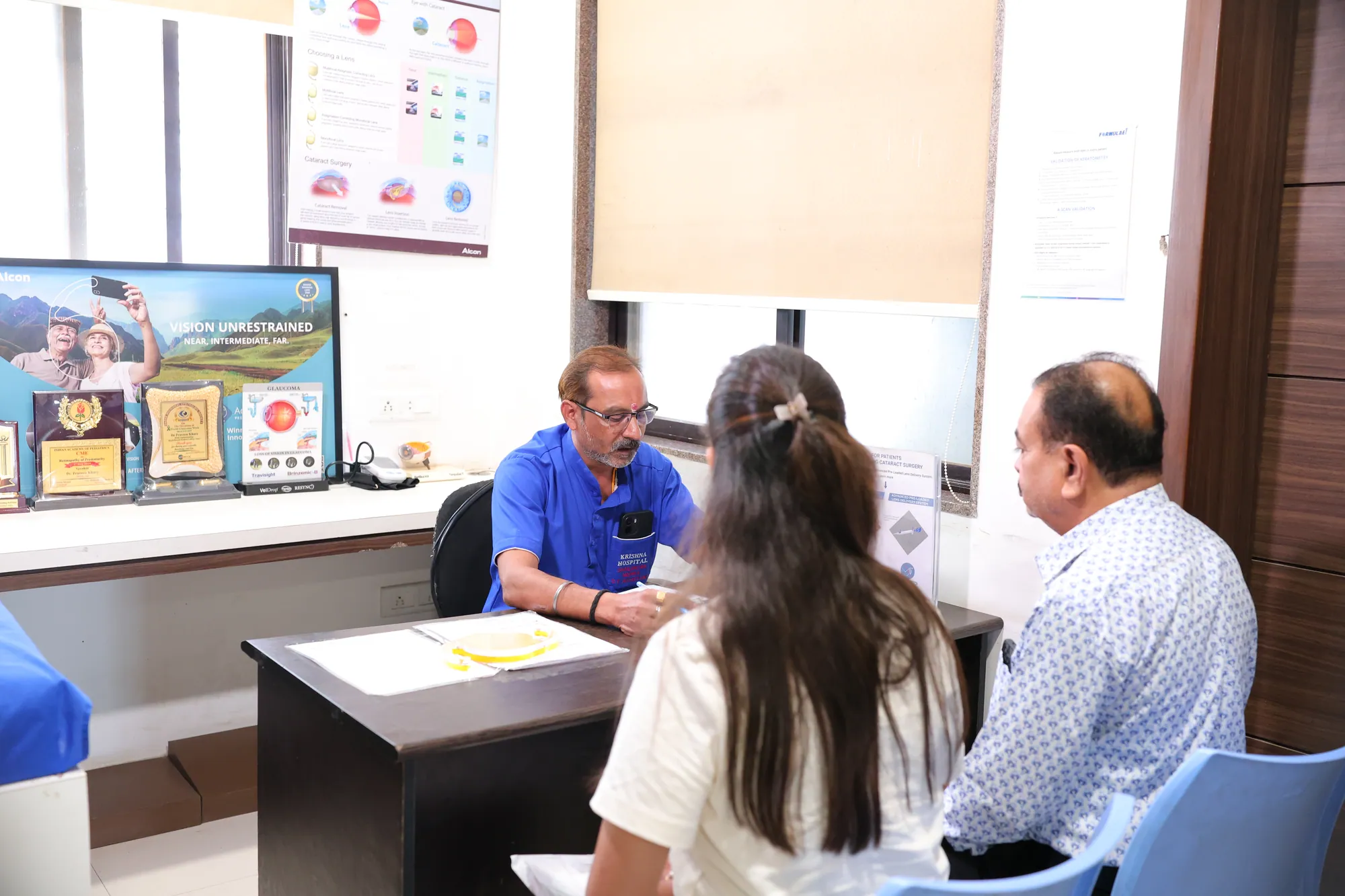
Oculoplasty is an area of eye care concerned with the eyelids, tissues around the eye and tear-drainage system. A consultation may address a drooping eyelid, a watering-eye concern, a growth or surface lesion, or another change that affects comfort, eye protection or appearance. The name of a procedure alone cannot show whether it is appropriate. The clinician first learns what has changed, examines the eye and surrounding structures, and explains whether observation, further testing, a procedure or another specialty is the next step.
The hospital’s supplied chart groups several procedures under “Oculoplasty Surgery,” including pterygium surgery, squint surgery, ptosis surgery, tear-duct procedures and probing. Some relate to adjacent ophthalmic services, so the chart heading should not be used to self-diagnose or assume that every listed procedure has the same purpose. This page helps patients prepare questions and understand the displayed rates. It is not a recommendation for surgery, does not promise a cosmetic or visual result, and does not replace an in-person examination.
Concerns that may be discussed
Eyelid concerns can include a lid that sits lower than before, difficulty opening the eye fully, a lump, irritation or problems with eyelid position. Tear-drainage concerns can present as persistent watering, discharge or repeated irritation. A pterygium is a growth on the surface of the eye that a clinician can assess; treatment depends on its size, symptoms and examination. Squint describes an eye-alignment concern and may be assessed through a different set of measurements. These examples are topics for consultation, not a checklist that identifies the cause.
Changes around the eye can have more than one explanation. A photograph or description online cannot assess vision, eye movement, the tear pathway, the eyelid margin or the surface of the eye. Tell the clinician when the change began, whether it is one-sided, whether it affects vision or comfort, and whether it followed injury, infection or previous treatment. Bring old photographs only if useful for showing a timeline; they do not replace examination. Sudden double vision, severe pain, rapidly increasing swelling, injury or sudden vision loss needs prompt care.
What happens at the first consultation
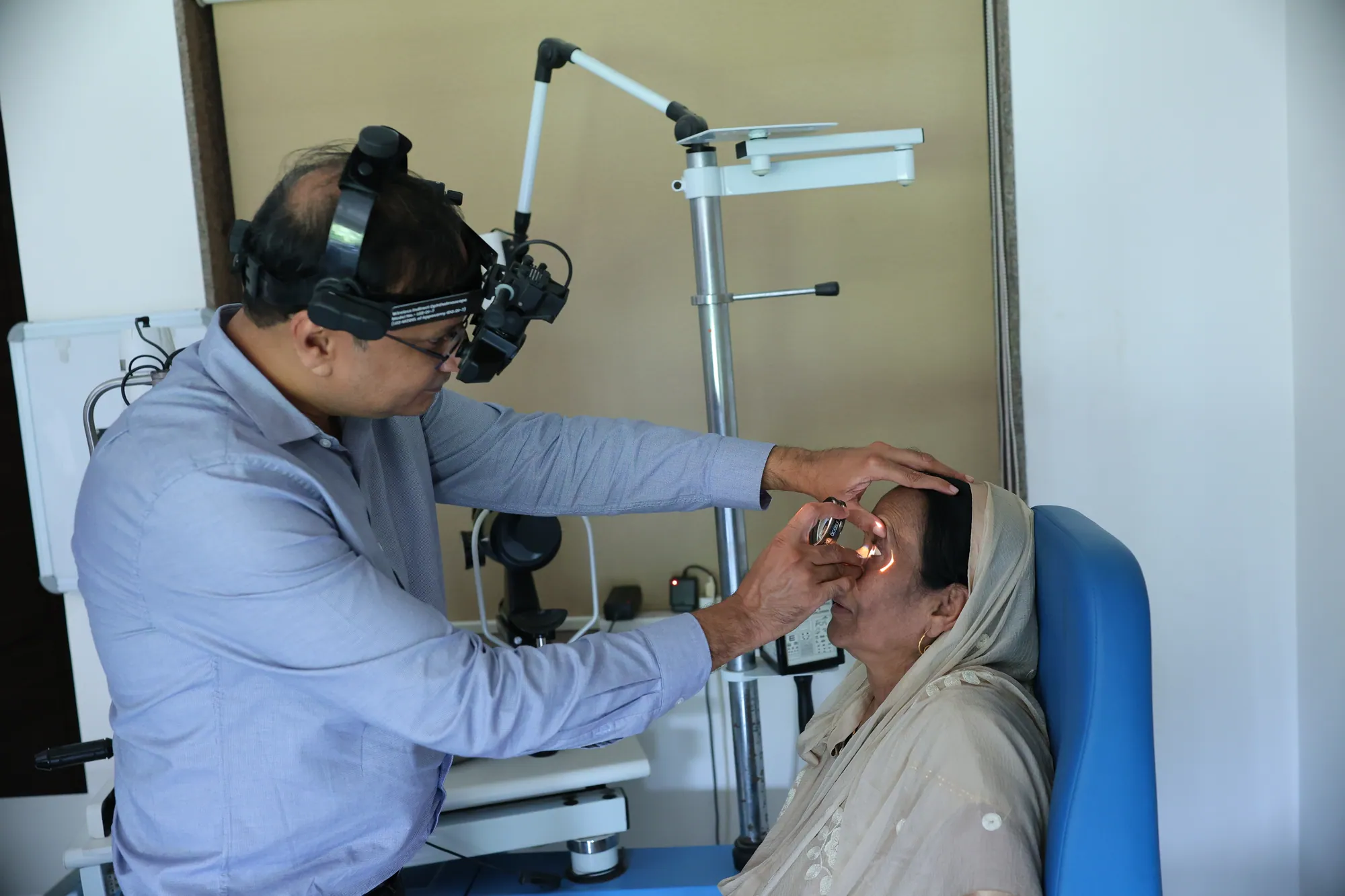
The visit usually begins with a conversation about symptoms, health history, medicines, allergies and your goals. The clinician may check visual acuity, eyelid position, eye movements, the eye surface and tear drainage. Additional measurements, photographs or tests may be suggested to clarify the problem or plan a procedure. The exact assessment depends on the concern. Ask what each test is for and when results will be discussed. If the eye is watering or a lid changes position through the day, explain when that occurs rather than relying on a single moment.
For a planned procedure, the specialist explains what area is involved, why a particular approach is being considered, alternatives and the expected recovery. The plan may include an anaesthesia discussion. The chart separately adds an anaesthesia amount for the two- and three-muscle squint entries; it does not explain every other inclusion. Ask who will perform the procedure, where it will take place, what preparation is required, whether you need a companion and how follow-up is arranged. Confirm these points with the hospital before making travel plans.
Understanding the procedures on the supplied list
The chart lists pterygium surgery with or without a graft, squint surgery involving two or three muscles, ptosis surgery, DCR, DCT and probing under general anaesthesia. These terms refer to different clinical questions and should not be treated as interchangeable. DCR and DCT are abbreviations used by the hospital chart; ask the clinician to write out the recommended procedure and explain what it is intended to address. Probing is listed as being under general anaesthesia, but the chart alone does not explain who is suitable or how the team will prepare them.
A consultation may lead to a recommendation to observe rather than operate, to use another treatment, or to seek a further opinion. Surgery is not selected only because an item appears on a price sheet. The clinician weighs the examination, the effect on function or comfort, general health and patient preference. Ask how the procedure may help, what it cannot change, what risks apply to your case and whether more than one appointment is expected. Request a written plan using words you understand; you should know what is proposed before you provide consent.
Planning safely for a procedure
Before a procedure is scheduled, provide an up-to-date list of medicines and health conditions, including allergies and any prior problem with anaesthesia. Do not stop blood thinners, diabetes medicines or other prescribed treatment unless the treating team specifically tells you to do so. Confirm fasting instructions if anaesthesia is planned; instructions differ by procedure and individual health. Ask whether pre-procedure tests are required, how much time to allow at the hospital, and whether you must arrange an adult to accompany you home.
Make a written list of the questions that matter: the exact name of the procedure, what it aims to improve, alternatives, expected discomfort, wound or drop care, time away from work, review dates and warning signs. Ask whether the quoted amount includes the procedure, anaesthesia, medicines, investigations and follow-up. If a charge is unclear, ask for it to be clarified before the day. These practical conversations reduce surprises and support informed consent; they cannot remove medical risk or guarantee a specific outcome.
Recovery and when to seek help
Recovery varies with the procedure, the person’s health and the clinician’s instructions. You may be given guidance about eye drops, dressing, cleaning, activity or keeping the area dry. Use only the medicines prescribed for you, exactly as directed. Do not rub the eye or apply cosmetics or home remedies to a healing area unless the care team says it is safe. Keep the follow-up appointment even if the area feels comfortable; the clinician needs to check healing and answer questions about the plan.
Contact the hospital for instructions if pain, swelling, discharge or vision changes are not what you were told to expect. Seek prompt medical attention for severe pain, sudden loss of vision, significant redness, heavy bleeding, a new double-vision problem, fever with worsening swelling or an injury. These examples do not diagnose a complication; they are reasons not to wait for a routine visit. Ask for a contact number and a clear plan for after-hours concerns before leaving the hospital.
Understanding the chart-listed fees
The supplied chart shows different amounts for pterygium with and without graft, two- and three-muscle squint surgery, ptosis surgery, DCR, DCT and probing. It also lists a BCL contact lens and a prosthetic coloured lens. The rates are transcribed in the price guide exactly as clearly visible. The chart does not specify every unit, material, investigation, anaesthesia or follow-up inclusion. For that reason, the displayed amount is not a final bill or an individual treatment estimate.
Before agreeing to a planned procedure, ask the hospital for the current written estimate for your own case. Confirm the procedure name, side, anaesthesia, materials, medicines, tests and follow-up included. If there is a range, ask what affects the final figure. A BCL or prosthetic coloured lens is a separate listed item and should not be assumed to be part of surgery. Price transparency should support informed choices, not pressure you into a treatment. Clinical suitability and a clear consent discussion remain essential.
Questions that help you decide
Consider asking: What finding did the examination show? Is the proposed procedure intended to improve function, comfort or appearance? What happens if I wait? What are the alternatives? How will the procedure be performed and what anaesthesia is planned? Which result is realistic for me? What risks are relevant to my health and eye? How long will recovery take, and who checks healing? What does the estimate include? Which symptoms after treatment need immediate attention? A clinician should welcome these questions and explain the answer without making unsupported guarantees.
If you need time to consider, say so. A planned procedure can be discussed with a support person, and you may request a copy of the estimate or instructions. Seek prompt care rather than waiting for a routine oculoplasty appointment if you have sudden vision loss, severe eye pain, injury or rapidly worsening swelling. For gradual concerns, book an assessment and bring previous reports. This guide supports preparation; only the examining clinician can recommend a plan for your eye and health history.
Function, comfort and appearance are different goals
Some people seek care because a lid or surrounding structure affects comfort or daily function; others are concerned about appearance, symmetry or a visible change. These goals can overlap, but they are not identical. The clinician should ask what matters most to you and explain what a proposed procedure is designed to address. A procedure may improve one concern while leaving another unchanged. The final appearance can depend on healing and individual anatomy, so no photograph or description can guarantee a particular result.
For a change that affects vision, eye protection or eye movement, explain when it happens and how it affects work, reading or travel. If the concern is mainly appearance, say that clearly too. This helps the clinician explain expected benefit and limitations without assuming your priorities. Ask whether non-surgical management is an option, whether observation is reasonable and how the decision may affect the eye. You should not feel pressured to proceed because a procedure appears on a chart or because another person had a similar operation.
Discussing anaesthesia and support
A procedure may use local or general anaesthesia depending on the operation and the patient. The chart specifically adds an anaesthesia amount beside two squint entries; it does not describe every anaesthesia arrangement. The treating team should explain the planned method and invite questions about fasting, medicines, allergies and previous anaesthesia experiences. Do not infer that a procedure is performed under a particular method from its name or price. If you have a heart, breathing or bleeding condition, share it early so the team can plan or seek an appropriate review.
Ask whether you need someone to accompany you, how long you should expect to stay and whether you can travel home alone. If fasting is required, confirm the exact start time and what fluids or medicines are allowed. Arrange time away from work or caregiving only after the team gives a realistic estimate. These details make the day safer and less stressful. If instructions conflict with advice from another doctor, contact the hospital before changing anything yourself.
Planning practical aftercare
Before the procedure, discuss who can help with transport, meals, childcare, work duties and prescribed drops during the early recovery period. Ask what activities may be limited, how long those limits usually apply and what should prompt a call. Have the hospital’s contact details accessible. If a dressing or eye shield is planned, learn how to use it before leaving. Do not apply creams, herbal products or non-prescribed drops around the eye unless the clinician has approved them.
Make a follow-up plan that works with your transport and schedule. Confirm the date, whether another person needs to attend, and what records or medicines to bring. If travel to Sagar is difficult, ask the team whether a local review is possible or whether the surgeon needs to see you in person. A follow-up should not be skipped merely because discomfort has eased; the clinician may need to check healing and adjust the plan. If symptoms worsen unexpectedly, contact the hospital promptly or seek urgent care.